Shimla Sightseeing
1. The Ridge, Shimla
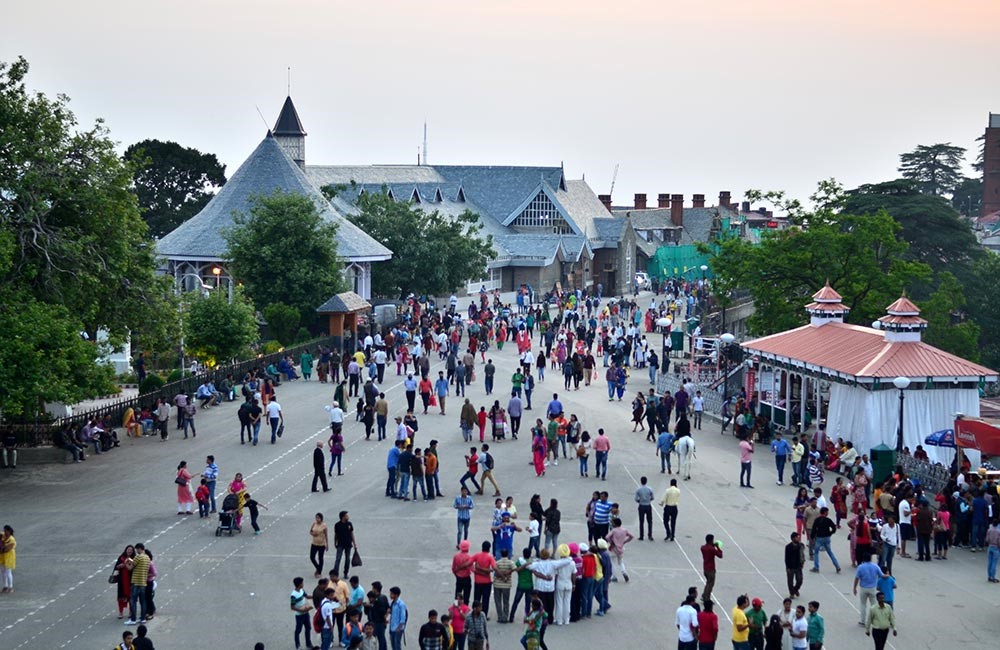
The Ridge may well be defined as the heart of Shimla in terms of location and tourist attractions. This Shimla tourist spot is actually a wide-open street that runs along the Mall Road from east to west and connects it to the famous Scandal Point. What makes it such a popular destination is that it offers gorgeous views of the snow-capped mountain ranges that rise against the blue sky to border this paradise of a destination. The place is dotted with long-standing British establishments that beckon visitors to indulge in feel-good shopping and binge-eating. Lined with boutiques, bars, restaurants, cafes, and shops, the Ridge serves as the social hub in the region. Remember, this place is among the most photographed parts of the city, thanks to its rich natural beauty and the Gothic structures that define its exquisiteness.
2. Jakhoo Hill and Temple, Shimla
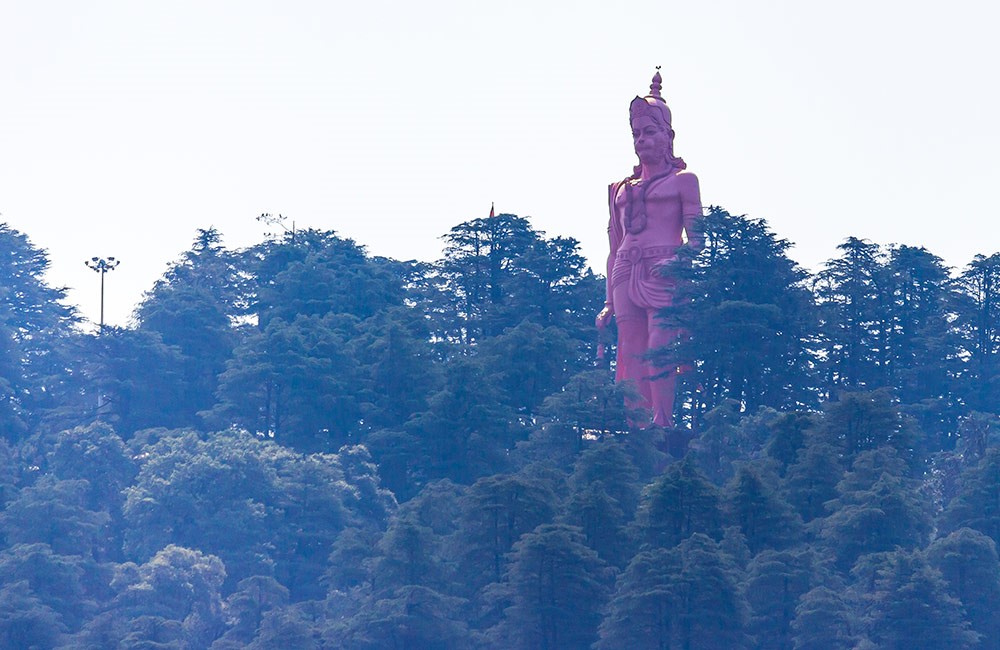
Covered in a blanket of alpine trees, Jakhoo Hill is the highest point of Shimla and offers scenic views of the snow-covered Shivalik Ranges as well as the sister town of Sanjauli. Situated at a height of 8000 ft. above the sea level, Jakhoo Hill is the location of an ancient Hanuman temple that boasts of having the world’s tallest statue (108 ft.) of this Hindu deity. Shrouded in legends and mysteries, it attracts devotees and the tourists alike. If the local legends are to be believed, the temple stands at the very spot where Lord Hanuman had rested for a while during his journey to bring the Sanjeevani Booti for Lakshman’s revival during the war of Lanka.
3. Mall Road, Shimla
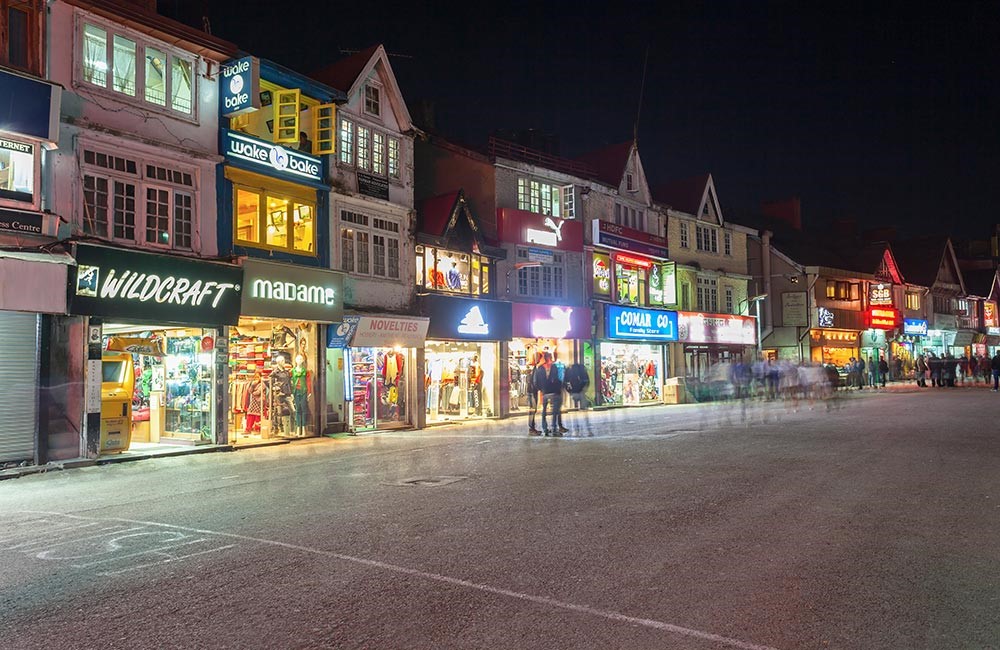
When it comes to places to visit in Shimla for couples, you can’t give a miss to the Mall Road. Otherwise, also, the place is a hip and happening location in this hill station and attracts visitors of all ages. With a plethora of cafes, restaurants, showrooms, departmental stores, and shops selling trinkets and exclusive handicraft works, this is one place where you can soak in the spirit of Shimla in all its touristy delights. From jewelry and books to intricately crafted wooden articles, you can shop for a variety of items here. At the same time, you can explore a number of other attractions in the vicinity, like the Kali Bari Temple, Town Hall, Gaiety Theatre, and Scandal Point. What’s more, since the road is closed to vehicles, taking a stroll here during the evening hours while overlooking the scenic beauty of the hills is a pleasure in itself.
4. Christ Church, Shimla

One of the prominent landmarks in Shimla, Christ Church is the second oldest church in northern India and boasts of exceptional architectural beauty. It is a remarkable example of the neo-Gothic style of architecture. The historic church is located on the Ridge and traces its origin back to 1857. An enduring legacy of the colonial rulers, the silhouette of this imposing edifice is visible from far away. With stained glass windows, brass church bell, and arresting towers, it presents a picture of matchless beauty. While the church looks majestic during the day, it turns into an enchanting sight when illuminated at night. Moreover, it houses the largest pipe-organ in India. Even if you are planning a quick itinerary of the places to visit in Shimla in 2 days, do not miss out on this splendid attraction.
5. Green Valley, Shimla

A breath-taking natural dale near Shimla and Kufri, Green Valley stands true to its name. Set against the backdrop of snow-covered mountains and lush green forests of pine and deodar, the valley is carpeted in greenery. Away from the touristy crowd, the serene Green Valley is where you can witness nature in all its grandeur, which makes it one of the best places to visit in Shimla for honeymoon. Given its pristine beauty, the place also counts among the and has been featured in a number of Hindi movies. Although you can visit Green Valley all year through, the best time to visit it is during the summer months.
6. Kali Bari Temple, Shimla
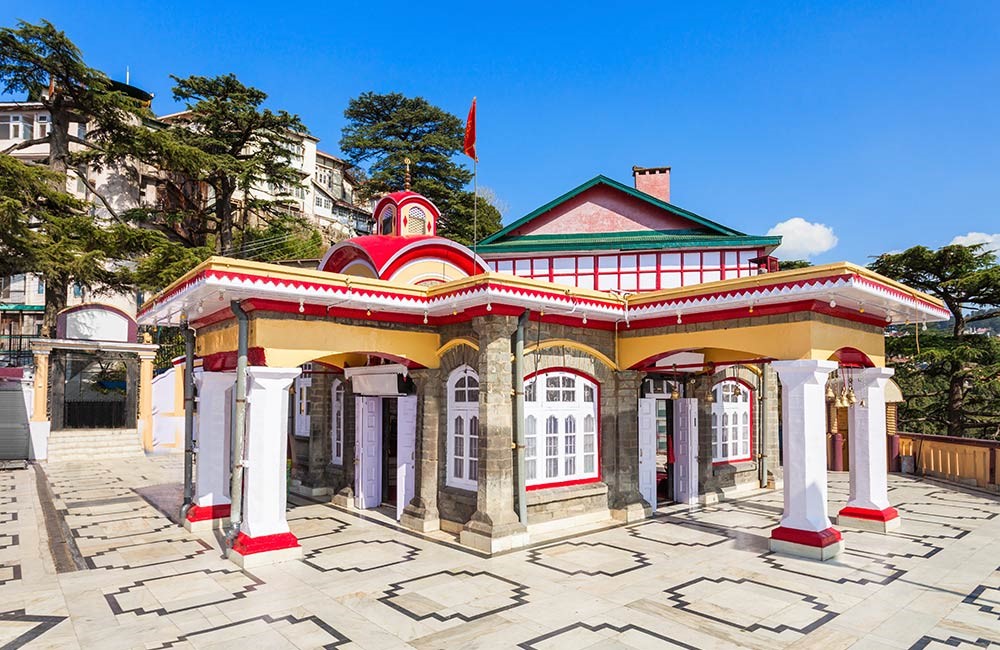
Some temples are known for their religious or historic significance while others draw in visitors due to their architectural beauty. But there are some temples that score high on both counts. The Kali Bari Temple in Shimla is one such place! Believed to have been built in 1845, the temple boasts of architectural beauty as well as religious significance in equal measures. As the name indicates, the temple is dedicated to Goddess Kali and houses a captivating idol of the deity. Located very close to the Mall Road, it is an ideal spot to spend some serene moments connecting with your inner self. An interesting thing to note is that Goddess Kali is known here as Goddess Shyamala and it said that Shimla derived its name from Goddess Shyamala.
7. Himachal State Museum, Shimla
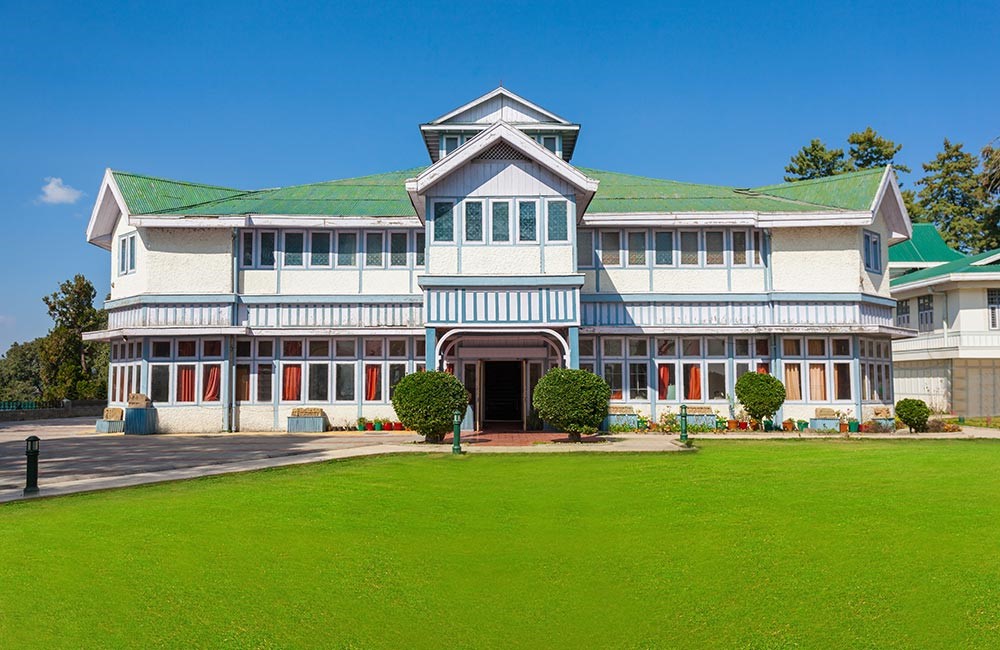
Located on the Mall Road, the Himachal State Museum (also known as Shimla State Museum) is housed in a colonial mansion. It has a rich collection of miniature paintings, stone sculptures, coins, weapons, armors, dolls, jewelry, handicrafts, and numismatic articles discovered in the valley. All of the articles preserved here serve as remnants of the grand cultural heritage of the state. An assortment of bronze idols collected from various temples spread across the Himalayas is of particular attraction at this place. If you are a history buff, you will find the place a treasure trove of heritage and information. Timings: 10:00 am to 5:00 pm; closed on Mondays
8 Chini Bangla
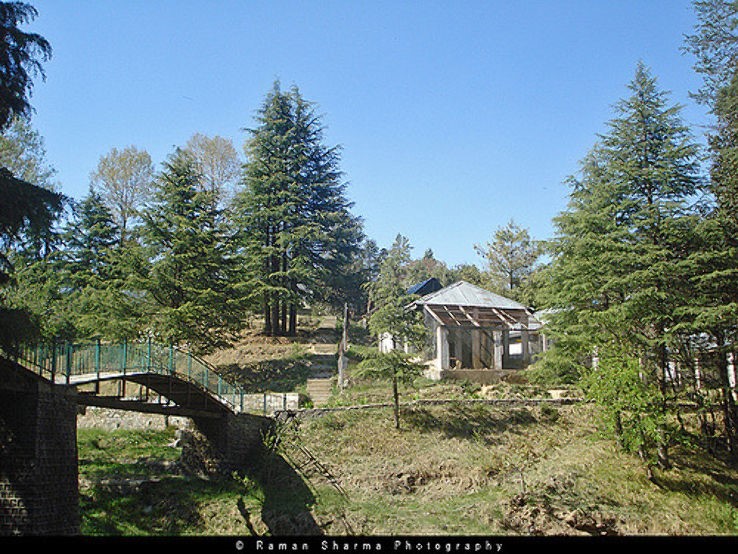
Chini Bangla is one of the most critica sights inside the Indian city of Kufri near Shimla. Famous for its idols and structure, Chini Bangla is visited through many people. The architecture of this residence is a totally British fashion and the lawn unfold in front of the residence is fantastically stunning. The mountains within the background best upload to the splendor of this residence. Chini Bangla had been in the beginning constructed from earth and timber, however had their defences replaced later by stone.
Early castles regularly exploited natural defences, missing functions including towers and arrowslits and counting on a crucial hold. New techniques to address stepped forward cannon fireplace made them uncomfortable and unwanted places to live. As a end result, actual castles went into decline and were changed by artillery forts and not using a role in civil administration, and us of a homes that have been indefensible. That is very stunning visitor spot to go to.